
National discussions on maternity and paternity leave are gaining momentum. Questions of duration and financing are now firmly on the table. Yet beneath those debates lies another issue: who will actually benefit from reform?
Much of the proposed framework is anchored in labour law, and labour law governs formal employment relationships. However, most Ghanaian women do not work within formal payroll systems. They trade, farm, braid hair, cook and sell, and move between informal contracts and seasonal work. For them, time away from work does not mean paid leave; it means lost income.
This concern surfaced during the WEE-Ghana convenings. Participants questioned whether reforms tied strictly to formal employment risk protecting a minority while leaving the majority exposed. If access is limited to formal workers, salaried employees gain security while informal workers absorb the shock.
Redistribution in this sense is not only about gender or employer financing. It is also about inclusion. If care protections remain confined to formal labour systems, reform may unintentionally widen the gap between women in office settings and those in markets, farms and small enterprises.
For this reason, the conversation cannot stop at amendments to the Labour Act. It must also ask how maternity protections can reach women outside payroll systems, what mechanisms could provide income security for informal workers during care periods, and how policy design can reflect the realities of women’s work in Ghana.
These are issues that the Labour Act and related legislation could address if policy frameworks more fully reflect the structure of Ghana’s labour market and make provisions for workers who do not have an employer.Care policy that excludes the majority of women remains incomplete. The deeper challenge is therefore not only how long leave should be, or who finances it, but whether reform reflects Ghana’s labour structure.
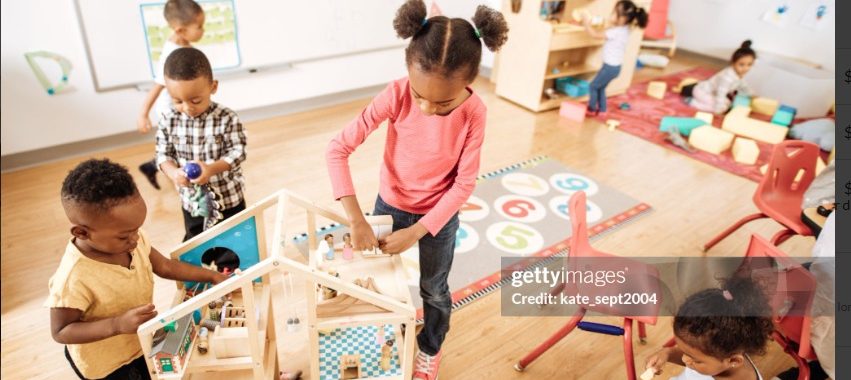
Care is still treated as a private matter. But it is public infrastructure.When caregiving is framed as a personal obligation, the burden settles quietly on households — and most heavily on women. When it is recognised as infrastructure, the frame shifts.
Infrastructure is planned. It is financed. It is maintained. It is treated as essential to economic productivity. Roads are infrastructure. Energy systems are infrastructure. Digital networks are infrastructure.
Care is no different.Without childcare, eldercare and social protection, women’s labour force participation becomes fragile. Businesses lose productivity. Families absorb shocks alone.
Redistribution at this level means more than adjusting leave duration or funding mechanisms. It means asking whether Ghana is prepared to invest in:
- Public childcare systems
- Workplace care standards
- Social insurance expansion
- Budget allocations that recognise care as economic support
This is not a social add-on. It is economic design. When care remains invisible in public budgeting, women subsidise the economy with unpaid labour. When care is built into public systems, the economy stabilises.
Over the past instalments, one theme has surfaced consistently: care reform is not a single policy adjustment; it is a structural shift. It requires sharing caregiving responsibilities more equitably between women and men, distributing costs in ways that do not distort labour markets, extending protections beyond formal employment, and recognising care as essential to national development.
These insights did not emerge in abstraction. They were sharpened through the WEE-Ghana project’s inception meeting in April 2024 and deepened through subsequent policy convenings in 2025.
As the project enters its third and final year, the work moves from exploration to consolidation. The findings emerging from these engagements and analyses will provide empirically grounded lenses to shape a more responsive and inclusive policy landscape.
This is not about adding another policy provision. It is about ensuring that reform reflects reality.
Follow the conversation and our ongoing work as it unfolds.
Find us on X and Instagram @ugpepwee, and on Facebook at Promoting Effective Policies for Women’s Economic Empowerment in Ghana