

What does a government budget actually mean to the people it is meant to serve? Is it the size of an allocation, the ambition of a policy, or, ultimately, the extent to which that allocation changes someone’s everyday reality? I found myself thinking about these questions after participating in a citizens’ engagement on inclusive and gender-responsive budgeting on September 8, 2026, organised by the Network for Women’s Rights in Ghana (NETRIGHT) at the British Council in Accra. The forum brought together citizens and other stakeholders to reflect on how women’s voices can influence development priorities and the 2027 national budget. It was organised under NETRIGHT’s Influencing for Change: Integrating Women’s Voice in Inclusive Development project, part of the Renewed Women’s Voice and Leadership Initiative, in partnership with Plan International Ghana and with funding support from Global Affairs Canada.
What stayed with me was the frustration I heard from citizens about the gap between Ghana’s commitments to gender equality and what they experience in practice. This was instructive because, as a researcher focused on government expenditure and women’s economic empowerment, I have become increasingly interested in what happens between a policy commitment and its eventual impact. The forum reinforced a concern I have long held: gender is still too often an afterthought in Ghana’s public policymaking. While the concept may appear in policy documents and public budgets, it isn’t too obvious whether policies are designed with a proper analysis of inequalities, whether resources are deliberately allocated to address them, and whether the government can show who ultimately benefits from public spending.
This observation became particularly clear during the discussion about the Ministry of Gender, Children and Social Protection. Citizens were not convinced that the Ministry was doing enough to advance gender-responsive fiscal and macroeconomic policies. Some attributed this in part to funding constraints, but I found myself agreeing with the stronger criticism: the Ministry can and should do better.
For me, this raised a broader question about what effective coordination means. Coordination cannot simply mean participating in policy discussions after spending priorities have already been set. The government’s gender machinery needs to be more assertive in ensuring that gender considerations are integrated into policy design from the beginning. It should work closely with the Ministry of Finance and sector ministries to require gender analysis, set clear gender targets, and insist on reporting that shows whether public resources are reaching women and other marginalised groups.
Citizen interventions made this issue much more concrete. In agriculture, participants did not treat gender-responsive budgeting as an abstract concept. They discussed land, inputs, irrigation, storage, processing, finance and markets—the practical constraints that continue to shape women farmers’ productivity and incomes. They asked for gender-specific targets and disaggregated data showing who receives fertiliser, land, finance, technology and other forms of government support. That request struck me because it goes to the heart of accountability for public spending. An allocation can look impressive on paper yet still produce limited change if we do not know who benefits. Gender-responsive budgeting must therefore move beyond merely identifying women as a target group in policy documents and budgets. It must allow citizens to follow the money and assess whether public spending is reducing the inequalities it was intended to address.
Another discussion that piqued my interest concerned unpaid care work. Participants described care as a structural barrier that limits women’s participation in education, employment and other economic opportunities. Their proposal to recognise care as infrastructure was particularly powerful. We routinely think of roads, electricity and physical facilities as infrastructure because they support economic activity. Yet public provision of childcare, eldercare and disability services also make economic participation possible. Without it, much of the care burden remains in households and falls disproportionately on women.
This made me rethink what we count as productive public expenditure. Investment in care services may not have the visibility of a major infrastructure project, but it can determine whether a woman can take a job, start a business, pursue education or expand her economic activity. Participants therefore called for a funded national care policy, stronger investment in childcare and other care services, integration of care support into social protection, and the professionalisation of care work.
The discussion also made me think about how we judge the sustainability of interventions that are more visible in the budget. Participants questioned the sustainability of the free sanitary pads programme. How are the pads distributed? How many does each girl receive each month, given recurring menstrual needs? Could some of the resources instead support local production, reduce prices and enable households to purchase sanitary products more affordably? Or does the intervention risk becoming another procurement opportunity rather than a sustainable solution?
Similar questions were raised about the proposed Women’s Development Bank. Citizens wanted to know whether it would genuinely provide affordable financing to women across economic groups. They also suggested that conventional banks develop tailored products for women and that successful women’s cooperatives be supported in expanding their operations.
As I reflected on these contributions, I realised that citizens were asking for something quite simple, though achieving it may be difficult: they want government spending to be intentional, transparent and demonstrably useful. Submitting civil society budget inputs for the 2027 Budget is an important step, but I am not convinced that submission alone will be enough. From my perspective, there is also a need for direct and regular engagement with those who have the authority to influence fiscal priorities. I see considerable value in structured dialogue with Ghana’s first female Vice President, who also serves as Head of the Economic Management Team, and with the Minister for Finance and other relevant senior officials. Such engagement could place evidence and concerns from women’s groups and citizens directly before those shaping the country’s macroeconomic and fiscal direction.
For me, this would complement rather than replace formal budget submissions. If evidence shows that current patterns of public expenditure are failing to adequately address persistent gender inequalities, those responsible for economic management need to hear that evidence directly and be challenged to respond. As a member of Cabinet, the Minister for Gender, Children and Social Protection has an important role to play in ensuring that gender equality considerations inform fiscal policy. Working with the Ministry of Finance and relevant sector ministries, the Minister should press for measurable gender-responsive fiscal objectives, clear beneficiary targets and reporting mechanisms that demonstrate who benefits from public spending. Civil society and women’s organisations also need to engage earlier, particularly in shaping the manifestos of the major political parties, so that gender-responsive fiscal policy becomes a political commitment rather than an afterthought.
Most importantly, citizens are not merely asking for the government to spend more. They are asking the government to spend differently, more deliberately, and with greater accountability regarding who benefits. And that leaves me with a question as the 2027 Budget takes shape: will Ghana’s next budget simply make room for women within existing spending priorities, or will it finally treat gender equality as a criterion for deciding what public money is spent on, how it is spent, and who it is intended to transform?
About the Author
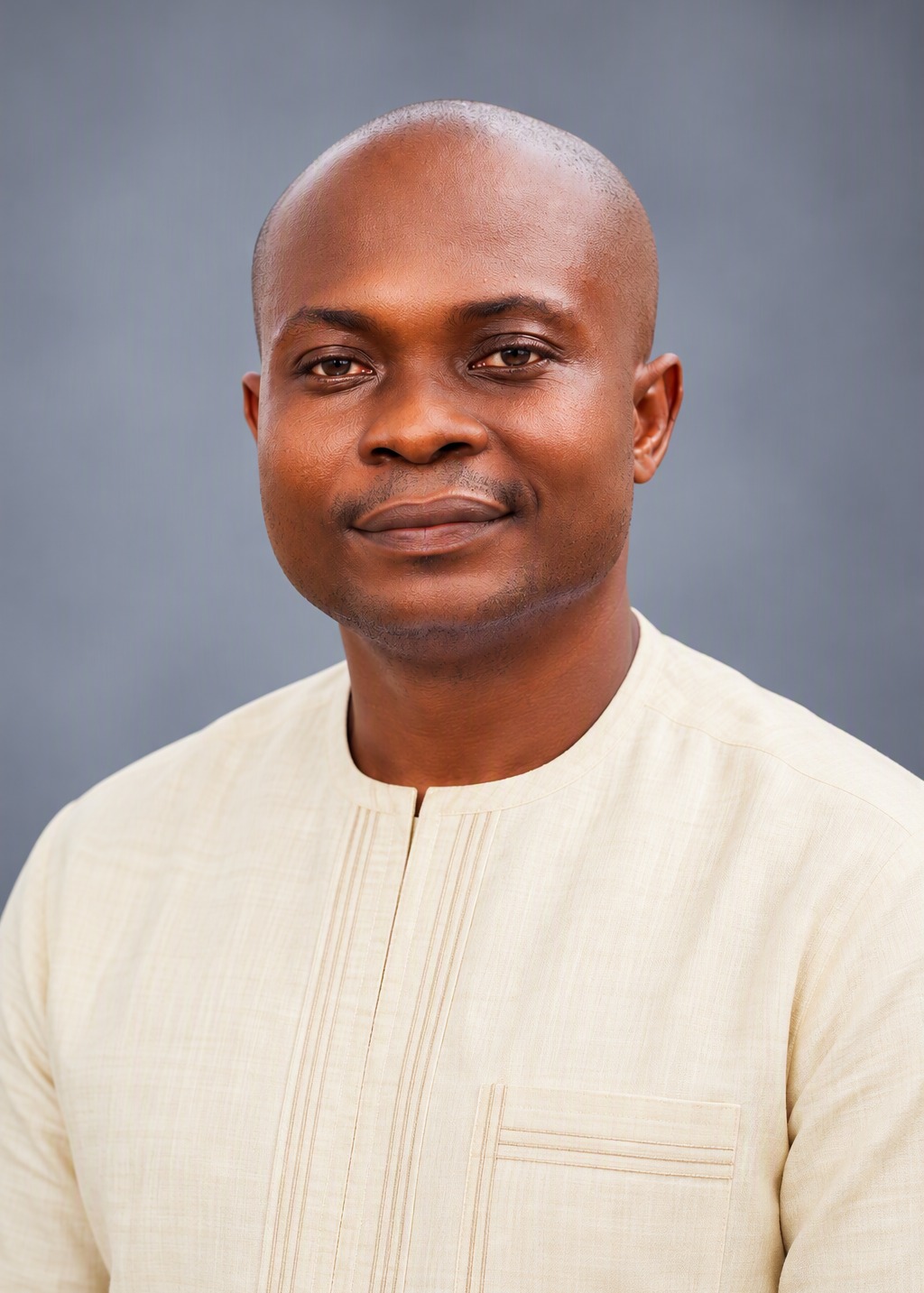
Godson Aloryito (PhD), is an early-career researcher with the Promoting Effective Policies for Women’s Economic Empowerment in Ghana (WEE-Ghana) project at the University of Ghana. Within the project, his work focuses on government spending as a component of economic-sector policies, examining how policy intentions and their intended or unintended consequences shape the economic fortunes of Ghanaian women. His work contributes to the project’s broader efforts to generate evidence to inform gender-responsive policymaking and advance women’s economic empowerment in Ghana.