

From Care Gaps to Care Systems: What Would a More Equitable Care Economy Require?
From Individual Coping to Shared Responsibility If women are continually filling gaps in care provision, the answer cannot simply be to ask them to cope better. Nor can it be limited to encouraging families to share responsibilities more equitably, important as that may be. A more fundamental question is whether Ghana’s policies and institutions are...Continue reading→
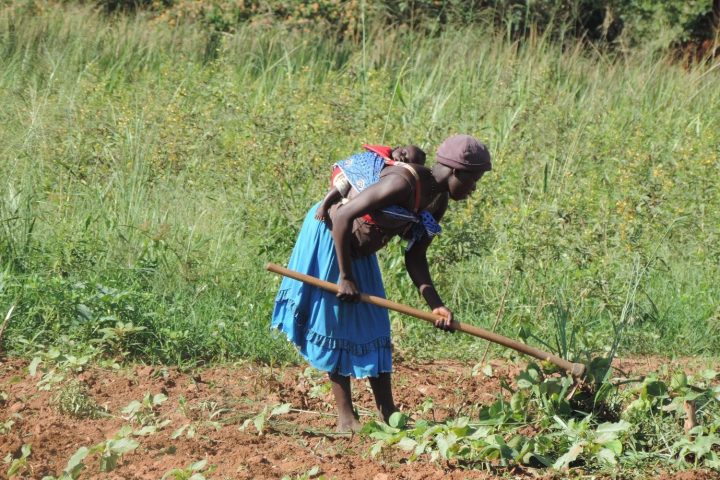
When Women Fill the Gaps: What Happens When Care Systems Rely on Unpaid Labour?
The Hidden Cost of Coping When a mother leaves home early to take a child to school before going to work, when a grandmother steps in to care for grandchildren, when a daughter reduces her working hours to look after an ageing parent, or when a woman quietly turns down an opportunity because there is...Continue reading→
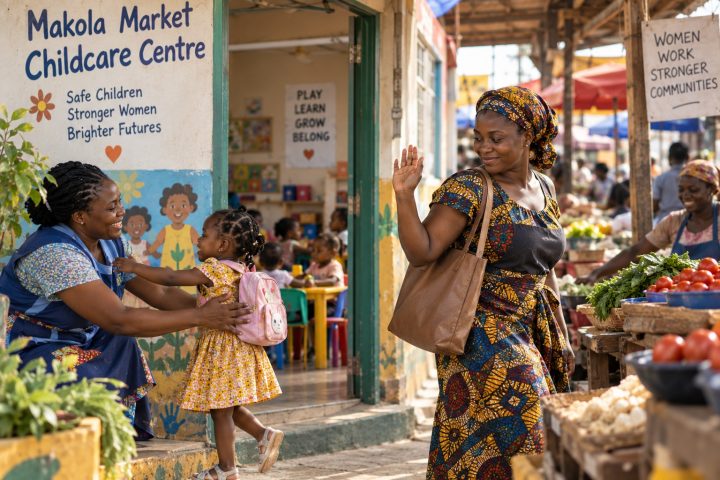
Who Should Carry the Cost of Care? Rethinking Care as an Economic Policy Issue
If care makes economic participation possible, can it remain a private problem? That is the question that follows the story of Ama. In the previous instalment of the WEE-Ghana Policy Lens, we considered what happens when a woman receives an opportunity to pursue postgraduate education while still carrying responsibilities for children or other dependants. If...Continue reading→

When Women Keep Filling the Gaps, Who Sees the Care Deficit?
From women’s resilience to a more equitable care economy It is often said that women are natural caregivers. But what if what we call women’s resilience is actually the quiet absorption of a care deficit? Women care for children, tend to sick family members, support older relatives and keep households running, often without these responsibilities...Continue reading→
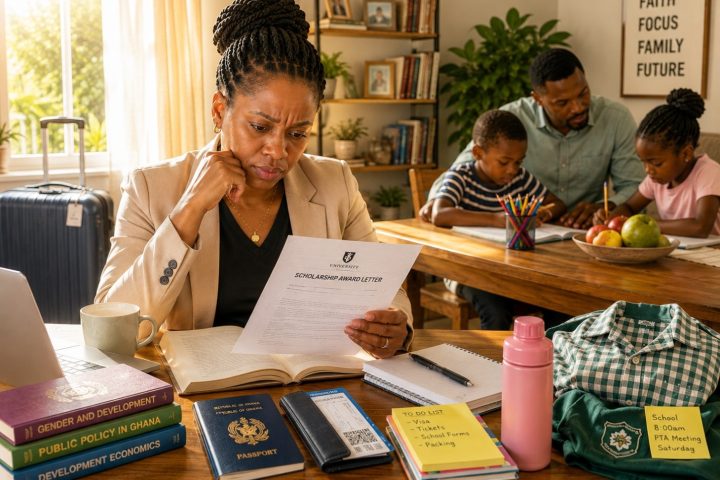
When Opportunity Meets Care: What Does a Scholarship Mean for a Woman with a Family?
Imagine Ama After years of working, saving and building her qualifications, Ama receives news she has been hoping for: she has won a scholarship to pursue a master’s degree abroad. It is the kind of opportunity that can change a career and perhaps the economic trajectory of her family. But Ama is also a mother....Continue reading→
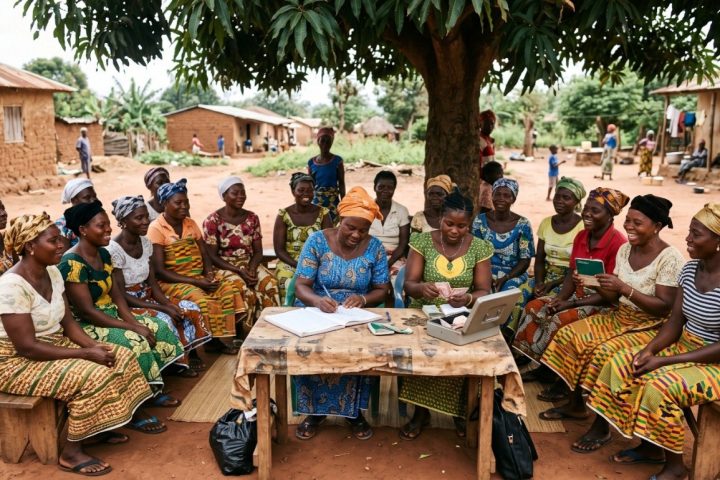
Beyond the Floodwaters: Why Climate Disasters Are Women’s Economic Empowerment Issues
Over the past three weeks, the WEE-Ghana policy lens has explored how climate disasters expose interconnected dimensions of women’s economic empowerment—from the hidden burden of unpaid care work to the fragility of livelihoods and the importance of sustained public investment. In this final instalment, we examine why recovery ultimately depends on financial resilience. Recovery Requires...Continue reading→
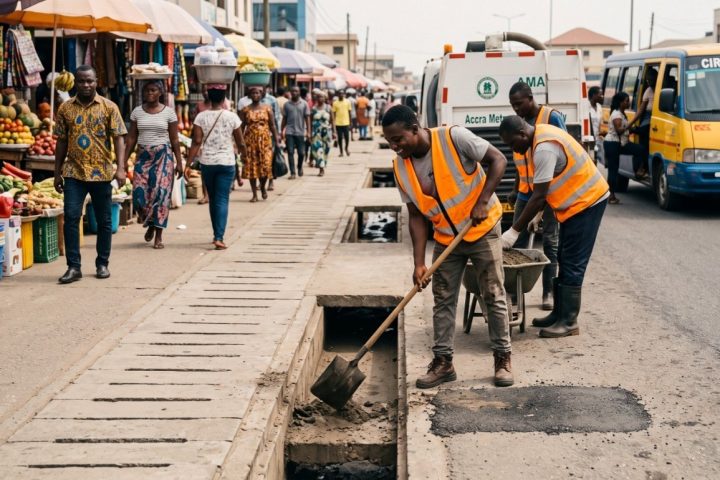
Beyond the Floodwaters: Why Climate Disasters Are Women’s Economic Empowerment Issues
Last week’s commentary examined how climate disasters expose the fragility of women’s livelihoods. This week, we turn to another question: what determines whether communities are resilient long before the floodwaters arrive? Resilience is Built through Public Spending, Not Emergency Response When floodwaters rise, emergency response becomes the national priority. It should not be mistaken for...Continue reading→
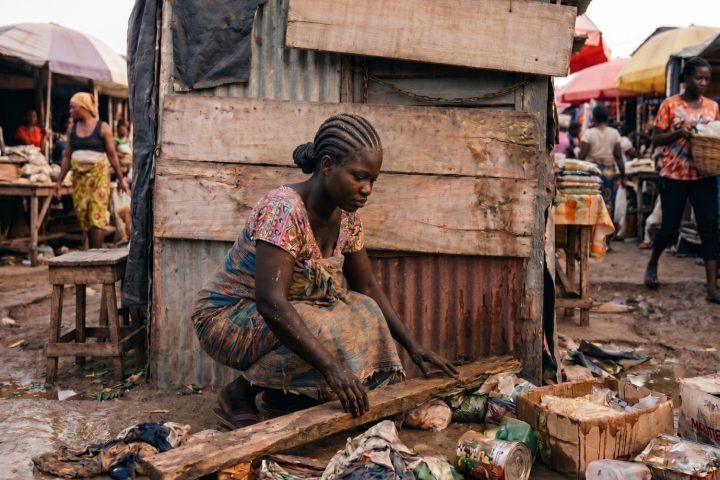
Beyond the Floodwaters: Why Climate Disasters Are Women’s Economic Empowerment Issues
Last week’s commentary explored how climate disasters expose the often-invisible burden of unpaid care work. This week, we examine another consequence that receives far less attention: the fragility of women’s livelihoods. Floods Expose the Fragility of Women’s Livelihoods Floodwaters do not simply interrupt transport or damage infrastructure: they interrupt livelihoods. For many women working in...Continue reading→
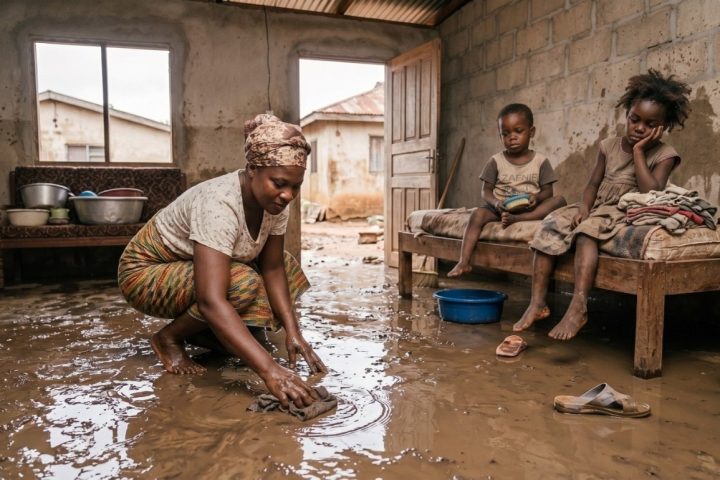
Beyond the Floodwaters: Why Climate Disasters Are Women’s Economic Empowerment Issues
What does a recent call for gender-responsive flood policies reveal about women’s economic empowerment? Through the lens of WEE-Ghana’s research, far more than might first appear. Every rainy season, flooding returns to Ghana’s national conversation. Images of submerged homes, impassable roads, collapsed drains and displaced families dominate news bulletins and social media feeds. This year...Continue reading→